Episode 253
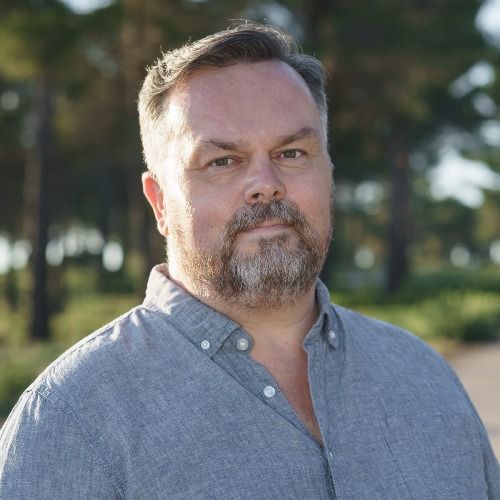
Mastering Virtual Presentations: How to Present Online with Confidence and Impact | Jelmer Smits
Virtual presentations are not going away. Job interviews, client meetings, and hybrid work all mean your first impression is increasingly happening through a webcam -- and most people are still presenting like it's 2020.
Jelmer Smits is a virtual presentation specialist who argues that most organisations are stuck in survival mode: poor setups, flat delivery, and zero audience care. The result isn't professionalism. It's the awkward middle ground where both competence and warmth collapse simultaneously.
In this practical, wide-ranging conversation Jelmer shares what it actually takes to present with credibility and energy in a virtual environment -- without becoming an over-caffeinated game show host.
What you'll learn in this episode
Why Zoom fatigue is usually a boredom problem rather than a platform problem, how the competence plus warmth framework applies to virtual delivery, practical ways to create energy and engagement without performing, why helping people feel safe and heard online is the foundation of effective virtual presenting, how micro breaks reset audience attention, why you should ask more questions including chat prompts, polls, and rhetorical questions, how to baseline participation early so sessions become interactive by default, the difference between presentation slides and handout slides and why less slides and more face usually wins online, why camera angle, lighting, sound, and background choices affect trust more than most speakers realise, why practising with feedback beats practising alone, and how improv skills save you when technology fails.
About Jelmer Smits
Jelmer Smits is a virtual presenting specialist and founder of Complete Presenter. Find out more at completepresenter.com and connect with Jelmer on LinkedIn. Message John directly if you'd like access to Jelmer's virtual presenting cheat sheet and workbook for listeners.
Are you a speaker facing challenges in your business? Get coached for free on the show: apply here
Visit strategic-speaker.scoreapp.com to take the 2-minute Strategic Speaking Business Audit and find out what's blocking you from getting more bookings, re-bookings, referrals and bigger fees. There's a special surprise gift for everyone who completes the quiz.
For speaking enquiries or to connect, email john@presentinfluence.com or find John on LinkedIn.
All clips and episodes are on the Present Influence YouTube channel.
Thanks for listening. Rating the show 5* on Spotify helps their algorithm recommend the show, so please take a moment to follow and leave a rating.
Related episodes: Self-Awareness and Mindset for Speakers with Michael Delisser
Mentioned in this episode:
Last Call For Founding KBPB Mebers
There's one last spot in the founding membership of The Known, Booked & Paid Blueprint. This is the only time you can get the program at 50% off. After that, it goes to the full program price, which is still great value, but it's not half-price value. Find out if it's the right fit for you at presentinfluence.com/kbpb
Transcript
Jelmer Smits let me welcome you officially to the Virtual Studio.
So this is mostly going to be about virtual presentations, virtual presenting, which is pretty relevant for most of us, if not all of us right now. We all have to do some elements of this. And as you're out there as an expert in this area, let me ask you, is anything that's a bit unusual or counterintuitive to what you see other people teaching or saying in the industry?
Jelmer Smits (:Yeah, so I think the most, the most unconventional thing that we're doing is we're making it fun. And a lot of people have this notion of, online presentations, online meetings are boring, they're draining. That doesn't have to be the case. We make it fun, but it can be quite confronting for people because it's often they don't see the forest for the trees. They don't know how bad they actually are.
at their online meetings and online presentations. And sometimes not everyone appreciates that, but most of our clients really appreciate it, that we show them, hey, this is what it looks like now, this is what it could look like. That's quite unconventional, I think.
John Ball (:Yeah.
I definitely agree with you on it. I don't think everyone's out there teaching this. And I do think this maybe stems a lot from, you maybe agree or disagree on this, but I think it stems from people tend to copy what they've seen come before, as that's the right way of doing it. And so if what they've seen before has been dry meetings and dry online presentations and keep it all professional, as we say, rather than anything that might look like fun or being interesting or engaging.
that's what you think you're supposed to do. And I think that that's a even bigger conversation about this professionalism concept that people have of essentially stops people from being able to be themselves in professional environments, or maybe even makes them afraid of doing that because of pushback. Would you you agree with that? Or do think it's that there's more to it?
Jelmer Smits (:I do agree with that. I think we should dive into that later as well. Like more the authenticity, how can you be yourself, actually have fun. But what I was referring to is people are stuck in kind of a survival mode since the pandemic. Okay. So the pandemic came all of a sudden people had to work from home and they just scrambled. They just tried to make the best out of it, but they never evolved. So if we walk into like, we've got big clients, right. And you can think big consultancy firms.
John Ball (:Mm.
Jelmer Smits (:some big tech firms, you would think, okay, you guys should be on top of your game, but they're still stuck in that 2020, 2021 time period and the way they do these presentations. They're trying to be professional, but ironically, the way they show up, the way they talk, the way they get their message across isn't that professional after all. So what we're seeing is there's no fun, there's no charisma, but there's also no professionalism.
And the result is just, I don't know if you heard of the, charisma formula.
John Ball (:I've had variations on this, so I'd be interested to hear which one you're referring to.
Jelmer Smits (:So what we often work with is the very basic charisma formula is you've got competence, you've got warmth. Okay. How warm, how likeable are you as a person and competence. And what we see in online meetings and online presentations, both of them, they go down the drain. And that's because of that survival mindset. So people show up at a very poor camera setup, poor lightning, poor angle. They're not talking to the camera. They are acting as if...
It's cold, people are not likable, but honestly, I've seen people in high positions, presidents, vice presidents of companies, and they show up like, yeah, we often say boomers in my generation. you're just like, wow, you're representing a company here. You're representing so many people. How can you show up like this?
John Ball (:So.
kind of out of touch. Yeah, I've definitely heard that charisma model from people like Vanessa Van Edwards. And I do and I do pretty much agree with it. And I think there's more as well. I've had different relations, which is why I was interested to hear that one. But yeah, it's I think it's very much the case. And I've kind of felt like that since the whole pandemic stuff as well with the people talking about zoom fatigue, and I felt like it zoom fatigue wasn't so much a real thing. It was more a case of as
Jelmer Smits (:Yeah, exactly.
John Ball (:how boring or ineffective or challenging those meetings were, because I certainly, I've been working online for years. I've been doing Zoom calls and work and presentations for years and years, long before the pandemic. And I've never had fatigue from doing it. It's never come up as an issue, even when I was having to do it all the time during the pandemic. It was so normal and natural for me. But sometimes going on to other people's...
meetings who weren't used to it. It was very much very clunky, very awkward, very not fun, as you say. But let me ask you this, how relevant is online presentation and presenting today?
Jelmer Smits (:incredibly relevant. So what we're seeing is most of the job interviews, at least the first round, they are online. Most of the client meetings nowadays, they are online. So we have a lot of first impressions online and that biology that hasn't changed, you know, in our ancestors, first impressions are vital. So that is very important. What we're also seeing is this hybrid way of working. Of course, there's a move back to the office, but
Most people I talk to at least one or two days a week, they work from home. Remote work is a big thing. Online meetings are everywhere.
It's to me, it's still mind boggling because it's such a big thing and people have no clue what they're doing. Right. And to draw back to the point you just said, because I think some of the listeners at first, might think, yeah, okay, John, but that's you. I get bored in meetings, but you John, maybe, but I think what you're alluding to is the way it's Yeah. And I, it fully resonates with me because if I join an average
John Ball (:Yeah.
Mm-hmm.
Jelmer Smits (:meeting of an average big, big company. I get drained. I'm out of there within a few minutes. But at the same time, you and others and us are able to host, you know, we, I've done a workshop at Adidas for like eight hours, eight hours online and the people left. said, wow, time flew by. I want to do this again. It's possible.
John Ball (:Yeah. Yeah. When I worked for a company called the speed collab, and they're still around, but I don't work with them anymore. they used to have like a head of community in the company for internal lady called Brittany Perkins, amazing lady, she's no longer with me there. And so if anyone's watching thinking I need someone like this, reach out to her.
But she would always make the meetings fun and energised. She just knew how to make sure everyone felt welcome. There was stuff going on before things officially got started and everyone kind of felt recognised and involved. I learnt a lot from watching her.
Jelmer Smits (:And how did you do it?
What do you remember? What did you do?
John Ball (:She would often have some energizing music on. She's a very high energy person as well, which definitely helps. everyone's getting welcomed as they come on and she's having fun and conversations and pulling people in. It's not just one to ones with the people she likes. So everyone was getting acknowledged, recognized as they came on. And she had comments and feedback and connected things and announcements before the meeting even.
really got started as people were getting getting online ready. And then when it was she just had a great way keeping the flow, trying different things to make it more playful and engaging and entertaining. I don't think we ever had that as a company, we don't I don't think we ever had a dull team, know, whole company meeting when she was running the show, you know, say she did a such a cool job of that. And I wish more people would kind of follow that follow that example.
Jelmer Smits (:Was she trained? Was this a talent? Is this just her?
John Ball (:You know, I
don't know, I think it's kind of just her. I think that very, she's very naturally, very naturally a bubbly person, very high energy. And that just came across really well. But also, I think partly was a lot from experience, and a lot from caring about the people who were coming on thinking, how can I make this more fun, more engaging, more entertaining for people, so they don't just feel like they're coming into a company meeting.
Jelmer Smits (:That's a beautiful way of saying it. The caring, it's what I've seen with a lot of people, they do care. They just don't know how to transfer. Right. And talking about those presidents or vice presidents or high level managers, it comes across like they don't care. Whereas if you talk to them one-on-one, like they do care often. They just don't know how to transfer it. And this lady seems to really know how to transfer it. if, by the way you describe it, I already want to be in one of her sessions.
John Ball (:Right, yeah, you'd look forward to, you'd look forward to it. You'd look forward to seeing her and connecting it and what she's going to do this time is going to be different and fun. Definitely like that. And I learned a lot from it, but I could, I could well appreciate that people might listen to this. I'm not listening to this and think, I'm not really like that. I'm not high energy. I'm not bubbly and fun. What would I do? That might be where people say, I'm a bit more introverted. I'm not, not really like that. I'm going to get stuck. I can't deliver that sort of thing.
what would you say? would you advise in that situation?
Jelmer Smits (:Yeah, you definitely do not have to be that extroverted. You don't have to be that bubbly to make other people feel safe, heard and understood. Those are three very important things, safe, heard and understood. I've also joined meetings of people who are more introverted, who are calmer, et cetera. And it's still an engaging meeting because they find other ways to get you engaged. Okay. As a matter of fact, these bubbly kinds of...
Personalities, they don't always engage everyone, right? Maybe you and I are like, exciting, but there might be some answers like, here we go again. Yeah. So one thing that is really, really important for online meetings, online presentations is to recognize where is your audience at? And a lot of your audience is at home. Okay. And working from home, most people, they don't think enough about this. What does this entail? You're in your environment.
John Ball (:True. Yeah. Too much overload, yeah.
Jelmer Smits (:where you are usually relaxed. We call this parasympathetic nervous system, it's usually chill. Now suddenly you have to show up for a meeting and you have to perform or not. And people get stuck in this zone, like, okay, my camera is on, but I'm not participating. And it feels uncomfortable. They're listening to others having a conversation or a discussion and they're not even asked for input. So they zone out.
but it's really weird to kind of zone out and feel guilty for it while being in your own space. That's what drains people. So if there's one thing I can tell people is recognize where your audience is at and try to make it as comfortable as possible for them.
Okay, so here's how we do that. For example, in our trainings, we have a lot of moments where we have micro breaks.
Micro breaks are small, small breaks. One, two, three minutes where we say, okay guys, micro break, stay where you are. Just turn off your camera, look outside, take a sip, look at your notifications, whatever you want to do. use it. The people come back after a micro break completely refreshed because they were allowed to do this or they were allowed to look at their phone, which they have the urge anyway to do in an online meeting. Yeah. And we also have moments like the camera doesn't always have to be on.
So you will find that if you allow your people to turn their cameras off occasionally, especially when it's not needed, they feel more comfortable. And then when they switch on, they're back there.
John Ball (:Yeah, it would relate to me that would relate very closely to something I learned when I first first did presentation training courses myself as a student, which was making sure that you have regular state changes.
Jelmer Smits (:Hmm.
John Ball (:within
within a presentation that you sometimes actually would need, especially if you're doing a longer presentation or full day training, that you do need to regularly probably, and they would generally say a seven minute intervals, make sure you do some kind of state change, which might just be turning and saying something if you've ever been to a personal development event, you've done all of these, but turn to the person next to you and say something or give the person on your right side a high five or something like that, or massage breaks or probably we don't do anymore.
But things like that, that would change completely change the state of the audience. We can do micro versions of that in online presentations, which I definitely really like. Would you say that that fits more for like long longer meetings or is that something you would still do in a shorter online meeting?
Jelmer Smits (:No, especially also in shorter. So what we need online is we need more variation. Okay. We're just more, more easily distracted, especially when we're at home. You need more variation to get the people engaged. And this is, this is where it goes wrong. Most online presentations meetings are their flatline. They're all the time the same. So we need more use those tools. So use the chat, use breakout rooms, use visual input, ask people questions.
Stuff like that.
John Ball (:that I'm getting the impression that you mostly seem to work or focus on people in professional environments in companies and organizations that correct? Do you ever work with people who maybe are like workshop online workshop leaders or webinar presenters?
Jelmer Smits (:yeah, definitely. Especially at the beginning of the pandemic, they came a lot to us or to me because they were like, okay, you know, they do workshops and now suddenly they have to do it online. There's actually how I got into this. There was actually professor from the university in Rotterdam where I'm from originally. He had to teach a course and I signed a contract to train him and all the PhD students who had to give the course. And then suddenly he had to be online. He came to me he said, how are we going to do this?
And that's really what got me started as well. like, how does it work online teaching, online interaction? Yeah. And there were all kinds of, I've trained some politicians, people of NGOs. It's yeah, it's all good fun. It's, and I love it, especially if they see like, Hey, what I'm doing is probably not that good. How can I improve?
John Ball (:Yeah.
Well, as someone who does and has been doing online presentations, webinars, coaching, and these sorts of things for more than a decade. In fact, probably, yeah, probably closer coming up to two really, but for having for having been doing these things for all that time, see that things the environment has changed. But the principles probably remain the same. But the biggest challenge is ultimately
are having people staying engaged and focused, especially in those environments where like professional environments. Sure, you can demand everyone has to be on camera for certain bits, but in, in like webinars or things like that, you can't, you just can't promise that. So you don't know what people are doing. And they could be doing the washing up, they could be, they could be on the internet, they could be on WhatsApp or whatever, they could be doing anything. You have no control over that.
Do you find, have there been things or practices or recommendations that you've been able to develop or give to people to say, all right, well, here's how you can perhaps pull those people in without scolding them.
Jelmer Smits (:Yeah, yeah, yeah. So this, a friend of mine, she's a doctor and she also teaches, so she's a doctor in sexuality and she teaches, in Dutch you say, huisarts, and those are GPs, right? Family doctors. She teaches them regularly online. And she asked me, it's so funny. Sometimes you have people in your environment who are very close to you and they know what you do for a living. And then after a few years, they're like, wait a second, maybe I can ask you something.
So she came to me as, as funny, like, didn't you ask me earlier? But anyway, she has to do these online classes. And she said, okay, one very big problem is that I feel like I'm talking to a wall. So all these cameras are off and the people don't really engage. How can I fix this? So said, here's what you're going to do.
As soon as the first people come into your meeting, ask them, you say their names. say, Hey John, good to see you. Can you please turn on your camera? Good to have you here. I promise later on, you can turn off your camera. just, you know, just want to check in with you. You make sure that the cameras are on. And then the more people who join, if all the cameras are on, they automatically switch them on as well. Right. They follow that behavior. And this worked magic for her. said like, yeah, the camera participation.
But also tell people like, Hey, some of you are cooking or you're eating right now because this is nighttime or evening time education. Acknowledge your audience. So what I always do, especially in webinars, ask people, where are you right now? Where are you from? Where are you in the world? Acknowledge you in living room or in the kitchen. What did you just eat? And you just, if you do that in the chat, like I've done webinars with hundreds of people. Everyone feels engaged in that way because they're all answering.
And I asked him, okay, give thumbs up for the best food. And then you make it a little challenge. Everyone feels a bit engaged from the start and we call this baselining. It's really important from the start of your presentation, start of your webinar, you want to baseline that engagement. You can call it a hook or whatever you want to people in, but also really acknowledge them, make them feel safe.
John Ball (:Yeah. It's, it's one of those things that you might easily dismiss as a lot, isn't that kind of just small talk with your audience, but, but I get what you're saying, because it is actually like, to a degree, you're pacing their experience. And that's pulling them in, you're going to say, well, worry, what you're doing is actually showing that you're interested as well beyond just you being here to listen to me is like, tell me, tell me a little bit about you.
And even to some degree, getting them engaging. definitely liked, know, that those elements that bring, bring you into the social proof stuff that you're talking about, the things that people will follow what other people are doing. So when they start seeing that, when you've got easy, simple interaction, from the start, everyone's going to feel more comfortable and engaged, and they're getting that the norm is to interact and to engage and, and maybe even enjoy it as well.
You're not making things serious from the start.
Jelmer Smits (:Yeah. And there's one more, one
more tip there, is if I ask them where they are and you see it in the chat, I acknowledge it and I labeled a negative. It's a negotiation technique, but you can also use it. You labeled a negative. you could say, look, I know most of you don't like online trainings, but look at this. You know, we've got someone in London, we've got someone in Paris and in Madrid, right? Some have kids, some are traveling and we're all.
like we're all in this meeting together. It's wonderful. If you go back a hundred years with a time machine, you tell people this one day, this is going to be possible. It's mind blowing. Right. And I promise I'm going to keep your attention. I'm going to make it fun and I'm going to give you breaks and you're going to learn something tonight. If you start like that, they're all engaged. They're all like, okay.
John Ball (:So how long do you generally have in the presentation to make good on that promise before people are like, I'm not sure.
Jelmer Smits (:What would you answer? What would you answer?
John Ball (:gosh, probably less than five minutes.
Jelmer Smits (:Yeah, I think so too. I think so too, or at least.
At least you got to give them something, right? But it depends on your audience. It depends on the, yeah, maybe even less than five minutes. You got to give them something that they're like, okay. But those can also be already the small moments. So here's the, here's the beauty that I often tell clients because the average is so low of online meetings and presentations, you've quite easily stand out. And just by your delivery, then you are already winning them over.
They're already liking you more.
John Ball (:for for this audience for this show, the online presentations workshops is that probably going to be more more relevant than company meetings, but maybe not, but there can be something that will be relevant for as well. But but let me ask you this. mean, you've already started off well, you make people feel comfortable, you you probably set up that warmth level right from the beginning, really, which is good. So you still got the competence, I guess, to come after that. But
I think a lot of people do make the mix make big mistakes with their online presentations of leaving, leaving it all to the slideshow or something like that. They're not really, it's just the presentation, people focus far too much on the information, rather than the way it's delivered or the engaging, entertaining delivery. What are some of the guidelines? Like if I was coming to work with you and saying, I need to make these presentations exciting or more engaging for people.
what would you be telling me as your client?
Jelmer Smits (:What we tend to do is we make it practical and simple and we make a distinction. You're going to make a distinction between two types of slides. You've got presentation slides and handout slides. Most people present handout slides. And that doesn't work because it has a lot of text, a lot of information. People cannot read at the same speed as they can listen. We read quicker than we can listen. you easily disengage people. I wish we could show you an example right now.
But it's quite intuitive, think, already to the audience. So you got to make that distinction and work with presentation slides. What are presentation slides? have more visuals, less text, more breaks. Yeah. And if there's text, this one works really well. I tell people, I want you to read this text. Turn off your camera if you want and let it all sink in.
Okay. I'm just going to give you a minute. And then people actually, they actually read what's on your slide. You come back and they, it's like something's changed in their, in their vibe. And you can actually focus on what is, what is in the information and really dive into the value. You cannot do that if you keep talking. Right. Does that answer your question?
John Ball (:it does does to a degree right with further further down further down the journey with it. I appreciate that. When it comes to when it comes to presentations, then you know, I people do I think a lot of time rely way too much on the slideshow. You've given us a nice distinction there on the different kinds of slides. But should we should we always be using slideshow with presentations? Or should we
be doing a mix of slideshow and then switch it off for a bit and talk be more direct and visible on the screen. What's the best sort of blend or does that depend on the person?
Jelmer Smits (:as on a person in the audience, as a general rule of thumb, less slides, more faces. What a lot of people don't know actually is in zoom and teams, there's a setting where you can, you can click. If you want to present your screen, look at the top right. It's usually there's around four different possibilities.
You can present with yourself in front of the slides or next to it. So people still see your face. And what we, what it shows is that people are way more engaged when they see you actually present. It's so boring to see slides and just hear a voice reading them out loud. Doesn't work. Yeah. So general rule of thumb, less slides and give them handouts slides. Even if you give the presentation, say, I'm going to send these slides to you later so you can go through it.
Let me tell you what's most important, why we're here today. Yadda yadda yadda.
John Ball (:Yeah, it's interesting. When I I very first started doing online training, the only tool the only tool that was available was go to webinar. It was the only it was the only show in town for quite a long while. And when they started out that there was no video component, you were audio only. And and you could have a slideshow, but it had to be audio.
It didn't matter so much then though, because it was still such a novel thing to have webinars and online presentations that people generally were pretty engaged and active in them. But over time with all the developments that has that has gone and audio audio only is very hard, very hard to keep people engaged with with those sorts of presentations. It can work with podcast episodes better than with those sorts of things. But
slides aside, what are the things that might sort of damage or killer presentation that either mistakes the presenter makes or things that might be sort of peripheral to the actual presentation itself?
Jelmer Smits (:Biggest mistake people make, especially online, is that they do not ask questions to the audience. So it becomes one way traffic and it always becomes like a podcast. But it's really weird listening to a podcast while feeling that people are watching you, right? That's why people switch off their cameras. One of the reasons is like, hey, you are not interacting, but you still want to see me. It feels awkward, especially in my safe space. So you want to ask questions.
John Ball (:Yeah.
Jelmer Smits (:Now here's the thing, some people are afraid, but hey, if I ask questions, I lose the microphone, right? I lose control or you can spin off. There's all other forms of questions that you can ask, and especially online, like a poll. Use the chat. The chat is amazing way. you have a hundred people in your presentation, you can all let them answer your question in the chat. You cannot do this in real life. You can't let a hundred people at the same time answer, but you can do it in chat. Then there's the rhetorical question.
And you know what a rhetorical question is, right? See, I just used one and it's engaging on you and everyone who is listening also said, yeah, sure. I know it's a form of engaging people. So if you're presenting, use those rhetorical questions as well.
John Ball (:Yeah, those are good practices. Are there things like anything to do with backgrounds or video that might also impact the presentation?
Jelmer Smits (:yeah,
yeah, absolutely, absolutely. What is the weirdest thing you've seen? Or the most unprofessional background?
John Ball (:The one well, it's hard, it's hard to say. But the one that probably ups me the most because I see it the most is these virtual backgrounds that make their clothes and face and whatever else look fuzzy. You're like people are sort of blipping in and out on the screen. I absolutely hate it. And I think it looks horrible.
Jelmer Smits (:There's actually a study done, a study that measured how likeable and trustworthy are people with certain backgrounds.
The worst out of all is a background that is like naturally awful. Okay. So clothes everywhere. I've seen someone with a, with a painting of a naked person in a professional setting. I've seen, I've seen stuff. Obviously those are the worst, but almost as bad is a fake background that cuts off half your face or your clothes or whatever. It's almost as rated almost as bad as, as a
John Ball (:Okay.
Jelmer Smits (:Awful background.
John Ball (:Yeah.
Jelmer Smits (:If you go for a virtual background, try one that there's some good ones nowadays on Zoom and Teams and everything that make it look clean, neat. So what does the study show? Most trustworthy and likable are people who have few items, quite a clean background, plant, preferably, and or some things that say something about them. So you've got a Superman, right? And I see some Star Wars things that says something about you.
John Ball (:Yeah, yeah.
Jelmer Smits (:That can add value. That is the best one. again, these people don't think about these things and it costs them so much in confidence.
John Ball (:Yeah, yeah, I can well appreciate backgrounds that look like nothing are almost to me almost as bad as virtual backgrounds. But I do think that's that's what I don't think I don't think I've ever really seen anyone with a background that is too awful. But I have seen people definitely presenting in
and like outside doing stuff outside and it's like, then all of a sudden a plane goes over or a truck comes by or a motorbike is racing. And that's going to affect and impact the presentation. I you do have to consider your environment carefully. And one of the reasons why I have taken time to, this is still in progress because I'm still in transition into a home office. But one of the reasons why I did move to having more of a fixed background.
for doing video because then it becomes more recognizable, but you can tell it's real, especially if you can reach out and touch stuff. And it says a bit as you say, it says, says something about me. Haven't got to having a plant in the background yet. That's maybe something I need to need to put in there because I have, I have heard that before. The symmetrical backgrounds and stuff that isn't ultimately isn't distracting, but might be, might be interesting, like some interesting artwork behind you and stuff like that. think this is all the peripheral stuff that
often gets completely overlooked. I wonder, I mean, this may or may not be something that you can speak to, but I know for a lot of speakers and coaches who might tune in, and they're wanting to run online webinars and presentations, they don't always know how to get people to attend them. Would you have any thoughts or input for them as that? Well, how do you get people into these things in the first place?
Jelmer Smits (:Hmm
Be famous.
John Ball (:Well,
yeah, that would help,
Jelmer Smits (:From experience, what really helps is telling people that this will be different. Okay. So why would I not attend a webinar? A few reasons why I would personally not attend is often they're free, right? And then something pops up in my life where I just don't feel like it. I won't show up, but I would also show up if I know there's just going to be one way traffic boring lecture. Right. I need a reason.
to sacrifice my free time to be there. So if I give a webinar, I tell people this is going to be different. They're going to learn something very valuable. It's going to be worth their time.
And ideally I check in with them personally. Okay. This is a mistake that we used to make in the beginning that we just thought, people sign up. you've got a hundred people signing up to your webinar and then suddenly only 10 show up. Right. And we've seen the rates go up. Like if you send a message to every person, even if it's an automated message, like, Hey, can I still expect you tonight? Boom. Suddenly twice as many people show up.
Also, especially in webinars, people are at home, people are cooking, et cetera. Acknowledge that. Tell them that. Tell them that you appreciate them being there and absorbing the information.
they're gonna show up again, know, or they're gonna tell people about it.
John Ball (:Yeah. Do you think it's always a good idea to offer a replay or do you think you might actually get more attention if you don't offer it?
Jelmer Smits (:What do you think?
John Ball (:I'm on the offer a replay to people who don't show up. But not the people who do kind of wagon is like, you know, if they don't show up, split your list, and email the people who didn't show up and say, Hey, here's the second chance. But for the people who did give them a reason like not going to be sending you out a replay. So yeah, show up and pay attention.
Jelmer Smits (:Mmm.
Night.
Yeah. Yeah.
John Ball (:I'm not the expert though, so that's what I would do, but I'm not sure if that's the best practice.
Jelmer Smits (:It's a hard one.
Yeah, it really depends on what you want to get out of it, right? It really depends.
John Ball (:Yeah. Yeah, for sure.
Maybe we'd offer highlights offer a slide, offer them the slides or something like that. But probably or run the presentation again, that would be another thing like come and tend to live again. I think that would to me that would be preferable, because it otherwise kind of gives people permission to not pay attention. And I also tend to think people don't often watch the replays even if you do send them out.
Jelmer Smits (:No, very few will. And look, I'm so hesitant in my response because what we teach in public speaking is something you barely learn in a passive way. Because we practice a lot, even in webinars. We practice, we make people do things and trigger behavior changes. So watching a replay afterwards.
It's not going be that effective. And most people don't do it either.
John Ball (:it's always going to be less engaging than being live and interactive, where you know that you type in a comment and it might get read out, or you can ask a question and it could get answered. That's always going to be a different energy. But I do know that my experience has been this. It's much easier to turn up the energy in live situations, live talks, live workshops, whatever.
It's much easier because the people are there. There's more of a buzz. can, you can lift the energy up higher. I think if you don't do that in an online presentation, you're also going to lose, lose people. Like you don't have to become, I thought about Brittany, you don't have to become super high energy and not that she's super, but you don't have to become something you're not like really high energy and bubbly and all that. If that's not naturally you, but you do have to still turn up the dials, right?
Jelmer Smits (:Absolutely, absolutely, especially online, especially you need that variation.
John Ball (:Yeah, when I first started, regular listeners would have heard me say this before, probably, but when I first started doing online training, the certainly for group coaching as well, the feedback I got from test sessions, we had to do test sessions before they let us go live with a company I was with, was that the energy needed to be higher.
And they weren't gonna miss myself and several other coaches, they weren't going to let us go live with with their clients until we got to where they needed us to be. And they even got to a point where they said, if you can't get there by the next training, we're gonna find someone else. You know, it's like, that's a big incentive, let's turn up that energy. And so it had to had to become higher.
So I have I have my own practices and thoughts about how to turn up energy and I couldn't do that for myself. But what would you say to to someone who you're working with and saying, All right, you do need to turn up these dials. Here's some things you can do to help you with that.
Jelmer Smits (:Yeah, often people think then they have to be more extra, but it's like music. The contrast is where the magic is.
And you can do that with micro breaks. can do that with certain polls, quizzes, et cetera. Very important that you do show up with a lot of energy at the start and after every break to energize people again.
I'm doubting this if I'm gonna say this.
I once heard someone say, okay, it was like a psychologist and this was during the pandemic. And she got asked on a podcast, what is it like to do therapy online?
And she said, you know, it's like a condom. It's like having safe sex, protected sex. Right now we can still do therapy in a safe way because it's online, better than known, but we all know it's not the same. It just doesn't feel the same as without like, and it's quite an obscure analogy, of course, but it's stuck with me, not just because it's so obscure, but also
We have to recognize that between you and I right now, you're in Spain, I'm in the Netherlands, there's thousands of kilometers of glass fiber that we have to transmit this energy through. And one of the things we do, like we do train our clients, put more energy in it because a lot of it gets lost. Yeah. So you need to, you need to perform better, you know?
John Ball (:absolutely. You do you do need to turn it up. And I think there's there's a lot to get as well from you go to any kind of public speaking club or anything like that. And they're going to tell you to focus on things like your vocal variety and changing the speed of how you talk. And these are all good things to do and can make you more entertaining and engaging, but even just naturally sort of
pumping up your own energy a bit more like what energizes you even if you're very, I'm pretty Zen, right? I'm pretty relaxed kind of guy. But even I can pump up my energy and turn up my enthusiasm. And I think it's just one of those things like I think, oh, no, not really. It's not really me. I think you can definitely turn up the dials on that as well and make yourself at least a bit more enthusiastic and a bit more, a bit more motivated and find the things that because there must be things that energize you.
And so you can make that part of your pregame routine if you can. Something that came up earlier that I kind of want to come back to whilst we're still in the conversation was about practice. Do we need to practice, rehearse online presentations before we go live?
Jelmer Smits (:Yes. And ideally you do that with a coach or someone who knows what they're talking about. There's even some AI tools right now. One is called Udli. Y-O-O-D-L-I. I have no affiliation with them. If they get clients via this, they should pay me. Yeah. mean, practice is always useful.
John Ball (:I'll you know, yeah.
Jelmer Smits (:What would you say? Is it a clear yes for you?
John Ball (:It's not gonna hurt, is it?
Yeah, look, at the very least, you need to make sure that you can flow with your slides and your whatever technology you're using, you know, I have like a stream deck and things like that going on. I want to make sure that I can make all the switches that I want to make and run through the whole thing. So I'm going to have at the very least a dry run before I before I go live and have audience on there as well. Also, because
If you haven't read your script out loud yet, that's going to be important to make sure you can make sure you can follow it. And I do think there are some good tools for helping you. I think actually, Canva presentation tools are actually pretty good for helping go through that. And you can have your notes in there as well. But just remember with that and whatever might be going on with your with your audience and chat, there's a lot to keep track of when you're actually live. So I think if you're not
on top of the stuff that you have full control over before you start, it's going to be much harder to try and get the grasp on everything all at once when you're on the call. your practice is going to help, but I don't think you need to maybe do quite the same level of rehearsal or practice that you might for an in-person keynote.
Jelmer Smits (:It also depends on the setting and how comfortable you are. the more I do public speaking, the more I, like with all these years and all these people I've trained, I've become convinced that probably the most important skill in public speaking is improv, improvisation. And the same goes online, especially online. Things are not going to work. Technology is going to let you down.
John Ball (:Mm-hmm.
Jelmer Smits (:There's so many things to manage at the same time. If you learn the art and scale of improvisation, you will learn to be able to put the pressure with others. So this is a very important thing. A lot of clients feel like, yeah, they also feel drained. You know, they give a presentation online for 30 minutes and they're completely drained after. Why is that? Because the pressure was on them all the time. And the cool thing is if you learn improv also online,
You can switch the pressure towards other people, towards the audience or towards the video to the focus of attention. Like a magician, you can shift it and you can actually breathe. can actually in your own presentation, catch a breath.
John Ball (:Can you give an idea of what sort of improv tools have helped you?
Jelmer Smits (:asking a question. Definitely. So for example, you just asked me a few questions. I don't have an immediate answer. I ask it back. Right. I asked you because generally I'm curious about what you're going to say, but it also gives me time to think about it. Micro break. Just act as if it's planned. Right. They don't know that you lost control for a second. You just say, it's time for a micro break.
It's now 17 minutes past the hour. Okay. On all your computers, it should be like that unless you're in India, 17 minutes past the hour. We're going to start again at 20. So stay where you are. Turn off your camera if you want, and I'll see you in two minutes. Don't forget to breathe. they're like, okay, they can do that. You can catch your breath. You can recollect. you can restart your PowerPoint because that suddenly shut down or whatever. Like I've given trainings.
Once I was a...
I used to live in this kind of co-living in Spain during the pandemic and I was giving a training online and the fire alarm went off.
John Ball (:Yeah, yeah, that's what was interesting.
Jelmer Smits (:Yeah.
You're really like, but improv helped me. No one noticed. I asked them afterwards. Did you notice something was wrong? no.
John Ball (:Yeah, I think I can think of several times where I've had planned and unplanned fire alarms going off during presentations. it's always interesting to my grandad. Yeah, it was to get a bit of explanation on that because I think it could have been easy to think, improvising, I have to come up with one minus and jokes or make everything funny. And it's not necessarily the case, maybe. But I also think that the more practiced you are with your materials, following on from the stuff with this,
the easier it is to improv because, because you don't, again, it's not too much, you're not too much in mental overload. You're not trying to remember everything that's going on. And again, you will, if you're doing the same presentation regularly as well, you're going to get more and more practice and experience that, you know, most of the presentations that I do, do over and over again, I could do them without, I can do them without script. I can do them without pretty much anything and just know what slides are coming up and all that.
it gives me a lot more opportunity to be natural and to give natural responses to things and to come up with options or things like, that wasn't planned or that's not where we were supposed to go with this. All right, let's, let's try this. Let's go down this path. The more the more professional the more professional you'll see when that all ties in with the competent stuff that we were talking about right, right at the start as well. Right? This is this is all stuff that shows you as being much more highly competent when you're in a presentation.
Jelmer Smits (:Yeah. I think one of the biggest pitfalls in public speaking is that people tend to practice alone. Right. And in other areas in life where people have to perform, they don't practice alone, right? No, football player only practices alone.
John Ball (:Yeah.
Jelmer Smits (:Get a colleague. Yeah, it's vulnerable. Yeah, it's uncomfortable, but get them to sit there with you and give you feedback or even better hire a coach or trainer, right? Or even chat GPT or find a way to get that exposure because in a real presentation, you're going to exposure because people are there listening to you. You're going to feel judged, et cetera. It's very different than practicing by yourself.
John Ball (:Totally, totally. You know, it's one of the reasons why I always say to my clients and people I work with, nothing's ever gonna replace stage time. You have to get up on stage, you have to do this. It's one of the reasons why I do open mic comedy nights. It's one of the reasons why I do storytelling nights. Not just because I want to hone those skills, because I do, but I also, I will take whatever stage time opportunities that I can fit into my life and my schedule. ⁓
and to do these things beyond stuff that I'm not getting paid for all time as well. But it keeps me practice, it keeps me honing my skills and it keeps me it grows me every single time as well because I'm getting more, more fluid, more practice. So I definitely think, you know, getting out there and doing it, there's no replacement for having an audience is even if it's just one person, a coach is going to develop you much more than
And the worst, the worst public speaking advice I've ever heard is practicing in front of the mirror. So don't ever do that. But probably a number of listeners would have heard of something like the World Championship of Public Speaking. They might not have heard of what you're doing. Tell us a bit about what you've been, what you've been putting together and working on that's related to that.
Jelmer Smits (:Well, I've got two cool things. One of our trainers and a good friend of mine, Sabi Asachi, won the world championships of public speaking lately. He did. Super cool. I gave a training with him lately and he works with us for us. Super cool stuff and his journey is amazing. And we've got a crazy idea.
John Ball (:He did. Cool guy.
Jelmer Smits (:What about a world championship of online presenting? We're still working on this. It's still in the balance, whether we're going to do it or not, because it will be a lot of work.
think is going to happen next year and be super exciting.
What do think about it?
John Ball (:I would be interested to see that and certainly if you go ahead and do it, I will be happy to promote it on the show as well.
Jelmer Smits (:Nice. Will you join? You want to participate? We're working on something else that is also super cool. So what we're going to build is, or what we're building at the moment is a platform. You know what masterclass is, right? Most of the listeners know masterclass, mind valley, et cetera. There's also Coursera, there's Udemy where you can have courses.
John Ball (:Sure, why not? I'll throw my hat in the ring. Why not? Yeah.
Sure.
Jelmer Smits (:but learn very passively. What we are working on is we're uniting like the best public speakers like Sabi and a lot of other world champions, et cetera, get their courses on our platform and then practice with us or with them. Okay. And so we really believe we can make a big step. And that's also the world championships of online public speaking. It's going to have a lot of workshops to practice. That's how we learn. You don't learn by observing. You don't learn public speaking by reading a book.
You need that stage time. You need that exposure. So we're going to, we're building this platform where there will be lots of, lots of practice options and super exciting, super, yeah, maybe another time if I'll be on the show, I can tell you more about it.
John Ball (:Well, yeah, keeping contact and as there's no I think for myself and our listener, we'll be very interested to see what develops there and what opportunities arise. John was probably gone a bit longer than I planned to but it's been valuable and it's been a good conversation. And for any listener who's sort of thinking, oh, yeah, that's pretty cool. I need some help with my online presentation work. Maybe I should reach out. What's going to be the best way for them to do that?
Jelmer Smits (:they go to completepresenter.com and then they'll find us or connect to me on LinkedIn.
John Ball (:Perfect.
Well, also good. I'll make sure those links are in the show notes or the description for anyone who wants to go and check you out and connect with you. Cool.
Jelmer Smits (:Yeah. I actually want to offer something. I just
thought about it during the show. So we've got a cheat sheet, like a step by step with the fundamentals for online presenting. Usually we only give this to our clients after they work with us,
John Ball (:I'll add it to the information and people can go and get that. I'll check it out myself as well. Very good. Jelmer I appreciate that. It's been a fun and interesting conversation and definitely a valuable one for listeners as well. So thank you. I hope we'll have you on the show again in the future and definitely look forward to hearing the developments with all the things you're working on and these world championships of online presenting. I hope they happen. It will be exciting.
Jelmer Smits (:Awesome. I'll send it to you. Nice.
Thank you so much. Have a nice, nice day wherever you are. People are listening and thank you, John.