Episode 251
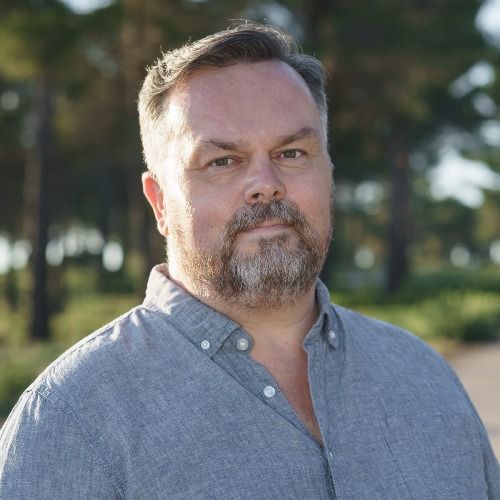
LinkedIn Strategy for Speakers and Coaches: How to Stand Out with Michelle J Raymond
LinkedIn is getting noisier, more automated, and harder to trust. AI-generated content, engagement pods, and pressure to chase viral trends are homogenising the platform at exactly the moment when standing out matters most.
Michelle J Raymond is a LinkedIn strategist and educator who has spent years helping professionals build genuine authority and real relationships on the platform. In this conversation she shares what actually works for speakers and coaches who want LinkedIn to generate opportunities rather than just impressions.
What you'll learn in this episode
Why LinkedIn is becoming harder to trust and what that means for speakers who rely on it, how AI-generated content is homogenising the platform and what to do instead, why engagement pods provide short-term visibility but undermine long-term credibility, how to build real relationships rather than chasing viral trends, why your LinkedIn profile should be treated like your homepage and kept consistently updated, the strategic use of different content formats to enhance visibility and engagement, why consistency and genuine interaction beat algorithm hacking every time, and how to use commenting and reciprocity strategically to increase your reach without gaming the system.
About Michelle J Raymond
Michelle J Raymond is a LinkedIn strategist, educator, and host of Social Media for B2B Growth. Connect with Michelle and subscribe to her LinkedIn newsletter at linkedin.com/in/michellejraymond. Listen to her podcast on Apple Podcasts.
Visit strategic-speaker.scoreapp.com to take the 2-minute Strategic Speaking Business Audit and find out what's blocking you from getting more bookings, re-bookings, referrals and bigger fees. There's a special surprise gift for everyone who completes the quiz.
Want to get coached for free on the show? Fill in the form at this link and if we think your challenge could help others, we'll invite you on.
For speaking enquiries or to connect, email john@presentinfluence.com or find John on LinkedIn.
All clips and episodes are on the Present Influence YouTube channel.
Thanks for listening. Rating the show 5* on Spotify helps their algorithm recommend the show, so please take a moment to follow and leave a rating.
Related episodes: From Invisible to Influential with Sapna Pieroux
Mentioned in this episode:
Last Call For Founding KBPB Mebers
There's one last spot in the founding membership of The Known, Booked & Paid Blueprint. This is the only time you can get the program at 50% off. After that, it goes to the full program price, which is still great value, but it's not half-price value. Find out if it's the right fit for you at presentinfluence.com/kbpb
Transcript
Welcome to the Professional Speaking Show. Got to get used to saying that. I'm John Ball and if you use LinkedIn to win speaking gigs, coaching clients or B2B opportunities, today's episode will either help you clean up your strategy or save you from quietly sabotaging it. Because LinkedIn right now is a lot. The AI slop, the copy paste viral templates, the suspicious comments sections
and the pressure to play games you do not respect just to get seen. So I brought in someone who actually tells the truth about it. Michelle J Raymond. She has built a business teaching B2B leaders how to grow on LinkedIn and she's refreshingly blunt about what's working, what's broken and what will get your account into trouble.
In this conversation, you'll hear why LinkedIn is still a necessary platform for speakers and coaches. What's driving the sameness in your feed and how to build out real visibility without engagement pods. What to post if you want to stand out and the profile updates that quietly improve your discoverability. If you want shortcuts, you might not love this episode, but if you want results without selling your integrity, then you will.
John Ball (:Michelle Raymond, welcome to Present Influence. I have been looking forward to talking to you.
Michelle J Raymond (:It has been a while since our first chat and it finally popped up in my calendar. was like, yes, let's do this.
John Ball (:One of the reasons why I've been looking forward to this so much is it's feels like forever since I've had anyone with LinkedIn expertise on the show. And I've been following you on LinkedIn for a while. I've been checking out your newsletter, listening to your podcast, really like what you have to say and how you approach things. so thought you would be the perfect person to bring on. And I was super happy when you said yes to coming on the show. And so I'm definitely looking forward to what we're going to bring today.
But let me start off by just asking you, what's your general feeling with LinkedIn at the moment? mean, this is kind of a big question to start with, but I mean, how are you feeling with things at the platform at the moment? Because there seems to be a lot going on there.
Michelle J Raymond (:It's a loaded question and I'm going to take it and run with it. And people might be expecting me to go, go LinkedIn. It's amazing. It's also sunshine and fairies when we hang out on LinkedIn right now. But I can't say that right now, John, because I don't feel it. So for your listeners who may not have come across me like you have, I tell it how it is. And I'm not going to fake it and just pretend that it's all smooth sailing. Cause honest to God.
Right now it feels like what have they done? You know, and this kind of has started back around June, especially, and maybe some people out there have always had a question mark about LinkedIn and what goes on there and LinkedIn cringes a thing. And I get it, but I am someone that's been on LinkedIn for 10 years. I've been through all the different cycles, ups and downs, things come and go, new features come and go. And mostly I'm an
John Ball (:You
Michelle J Raymond (:glass half full kind of person in life. And I just ride along with this and I just keep going, but this is the first time I'm genuinely questioning things. And I am someone that I've created a whole business around teaching other people how to grow their business using LinkedIn. And so some days I feel like an imposter because I'm like, how am going to put this across? But the thing that keeps guiding me is that
Regardless of my personal opinions on what they should or shouldn't be doing on LinkedIn, it's their sand pit. I choose to play in it. And the reason I do is because when it comes to B2B, there is no other serious platform that I could pivot my business to. And as you mentioned, I'm active as podcasting and YouTube and I have newsletters and all kinds of fun stuff, but I know my clients and the businesses I want to work with are on LinkedIn. And so at the end of the day, I go fishing where the fish are.
And that is where I'm at. And it doesn't mean that I particularly love doing it. And it's just like me when I walk into the gym, not sure that I love doing it every day, but I know it's good for me. So I'm going to stick with that.
John Ball (:Yeah.
It's good to hear. We don't need to give up hope on LinkedIn just yet. I know that for the people who I work with, and I include myself in this as well because speakers, particularly in UK and Europe area, but I think maybe probably to a great degree in the US as well, you pretty much have to be on LinkedIn. One of the first places bookers are ever going to check you out isn't just your website. They want to see that you're active on LinkedIn. They want to see you've got a history and stuff like that. So you do need to be on there.
and coaches as well, you know, people with expert businesses, I think, especially if you're doing business to business, there's really no choice. And yet, if you have you heard of this thing, this Cory Doctorow, who says, enshitification with websites, have you come across that?
Michelle J Raymond (:somebody put a quote on one of my YouTube, videos that I did about the LinkedIn algorithm changing. And they basically said the LinkedIn enshitification started in whatever year it was. And I couldn't like really argue the point and had to laugh a little bit at it. Cause I was like, yeah, I get it. which is kind of funny, but you're right. Like where else do we go? And it's not that there aren't other platforms out there, but when it comes to doing business.
There isn't really any competition for this platform. so like it or loathe it, it's a necessary evil that I think we need to make part of our businesses, especially as speakers, because I know myself personally, that's why people come to check out the credibility, the authority. Are you active? Do you have a following? Like, you know, people are looking at that and I know I speak at social media marketing world.
And I know for a fact, when they're choosing speakers, they're going for those, whether it's on YouTube or, you know, LinkedIn, like myself, that have big numbers of followers because they hope that we'll promote it and get more people to come to the events. And so they're very much looking at numbers of followers and that influence that you have. So again, I can't ignore that. And it's not to say that it's the only place, but it's definitely a big part of their review process.
John Ball (:Yeah, I do think probably a lot of speakers do want to be on some other platforms as well. But I think we have to be somewhat focused because unless you're at a point where you can have a team of people taking care of all your social media for you, you can't really spread yourself very evenly between a bunch of platforms you do need to focus in on where you want to be. And I definitely want to get to how we can make the most of this and the kinds of things we definitely should be doing. But I want to get the rants out the way first, I guess. ⁓
Michelle J Raymond (:I think we have
to, because otherwise people won't listen to the rest of it, you know? And as I said, before we started chatting, the main issue that I have is that if I'm not authentic with everything on here, then when we get to the good part where I get to say, Hey, listeners, go and check these parts out. They're not going to believe me. I'm going to be like one of those fake LinkedIn influencers, the marketing bros, the ones that are full of engagement pods and buying followers and all that kind of icky stuff, which happens.
John Ball (:Yeah. Yeah.
Michelle J Raymond (:And I don't want to be that. you know, and I know you don't either.
John Ball (:Yeah.
I definitely don't, but I also don't want to see it on my feed. That's the bigger problem that I have with the platform. And I think a lot of other people do as well. But sometimes a lot of posts that just look very, similar. I'm guessing AI might have a lot to do with this. Even without the dashes, you can sometimes tell. Or people are following particular formulas or frameworks and setting everything out in particular ways. And everything is just starting
become a bit homogenized and not really stand out. this is like the direct going on for the enshitification We talk about the AI slop as well. It seems that we're getting a lot of AI slop, but we're also getting people copying the people who have been paying to play, building using engagement pods, posting kind of crap stuff, but getting lots of engagement for it because of this and people are that's doing well, I need to do that.
I mean, I don't expect you to have an answer for this, Michelle, how do we manage to get through all this and think it's worth being here?
Michelle J Raymond (:I have an answer for everything you should know.
Look, yeah, let's talk about what's happening with all of these lookalike posts. What's happening at the same time. And you know, it's easy to blame LinkedIn and LinkedIn's algorithm and blah, blah, blah. It's LinkedIn's fault. But realistically what's happened is a whole bunch of tools have happened that have been created off the platform that are not endorsed by LinkedIn as much as these tools try and tell you.
Hey, we don't break LinkedIn's user agreement. They absolutely do. If anything automates any types of connections, messaging, scraping data, all those kind of yucky icky things, you're breaking the user agreement and you put your account in jeopardy. Now those tools are popped up like crazy. And within those tools, they have viral templates. And that is where you start to see that formula that those, you know, the dark side of LinkedIn users.
Take the viral template, which is an imitation of somebody else's creativity and great work and thought and skill and, you know, experience, and then just change one word and then you can pretend it's your own. just say you're inspired by don't even get me started on that. And then essentially you post that and ultimately you put it in an engagement pod and you pay for other people to like and comment. And so it blows up and it artificially looks like it's working now.
This can be easily spotted because you will find the people that are commenting on those posts are essentially from third world countries that have job titles that don't relate anything to what that person does, nothing to do with the industry. There's no mix or variety and you can spot it from a mile away. And typically if someone has, you know, over 50,000 followers on LinkedIn.
At some point they use an engagement pod unless they're a celebrity. And I'm happy to put that out there. There is very few true unicorns on LinkedIn because it's not designed for you to go viral. that's LinkedIn actively try to stop that from happening, which is really an interesting kind of feature of LinkedIn. So that's what's going on off the platform, which is where people are looking for shortcuts.
to get around relationships. I'm not sure that anyone wants to talk to people and build relationships anymore. It's like, can't I just press a button and automate something and it'll send five messages in an amazing sequence. And no one will ever know that I didn't do it because it used my name. Like honestly people, we know just like you said, the dashes are assigned the rocket emoji before that. We know.
Because you can feel it, you know, like, and I'm a big fan of talking about empathy for the people on the other side. They can feel the slop. It feels like someone just slimed on them and you've just stood under a bucket and just been slimed on one of those kids shows, you know, like, and, people think they get away with it. Can we just all agree? You're not actually getting away with it.
John Ball (:Yeah.
Yeah, there's a big maybe a conversation around AI tools and stuff to be had at the moment, which which perhaps isn't for this conversation so much. But I certainly see my opinion is that at some point, the AI bubble has to burst a bit because it has scraped other people's creativity, as you said, and art, artistry and everything else and amalgamated it all into a central depo for all of us to have access to.
And at some point it's just going to be, everything is going to be even more the same. It's going to be like the ultimate nightmare of postmodernism, of like nothing ever being original, just copies of copies of copies. And much like the old photocopiers, you keep taking the copy of the copy of the copy of the copy and it just fades. It all starts to become horrible and messy and irrelevant after some point and useless. And I think that's where things are heading. And I just wonder.
if we're going to manage to change course before we get too far down that rabbit hole.
Michelle J Raymond (:Yeah, it's like the really strong, amazing message at the beginning ends up some diluted off track message by the end of it. And I can see where that's going. But on the other hand, this is something that I'm super excited about. And this is what kind of guides me and it's the light at the end of the tunnel for me. So right now it feels pretty dark, but I hold onto the fact that, Hey, if I just go and do the opposite.
to that and stand out and do my own thing and just be me. There is no one else on the planet that's me. And this is the opportunity that we have. Sure. Like we're all love these tools. They're fun to play with. Sometimes that time-saving productivity kind of gain is really attractive when you're in a busy business. And especially for solopreneurs that are out there trying to do everything. Like I get it.
You know, sometimes the option that we have available to us, but I think as we were talking about earlier is when we become strategic and we slow down and we don't try and be everything to everyone on every platform, which is what I did when I first started my business. Someone said to me, I've got to be on. was still Twitter at that time and Instagram, and I should be on here and I should be on there and do a podcast and write a book and have a newsletter. And I tried and I was like, Whoa.
John Ball (:Yeah, me too.
Michelle J Raymond (:Like this has got to stop one. can't keep up with it to there are platforms I absolutely hate and don't want to be a part of. Like I was on Twitter for five minutes, got trolled really hard and went away, you know, kind of crying in the corner, just going, no, if that's what I need to grow my business, I'm out. Right. So there is that refining kind of process that you need to do. But for me, I just keep thinking, my God, if I just keep being me.
I'm going to very easily stand out as not the robot, as not the clone, as the person that speaks from the heart. Like that's the thing that makes me stand out compared to perhaps some of the other LinkedIn trainers in the world. actually care about people and I didn't use to talk about that kind of stuff, but now I honestly will, you know, and I'll share what's working and not working and both sides to the story rather than be prescriptive. And I think.
You know, I just did a post today that said, you know, we need to stop blindly trusting everything that we read online and have a bit of that critical analysis and work out. it right for you? Even what I'm saying on this podcast today isn't gospel and isn't perfect for every single listener out there. You should take what works and try it and see if it does work in reality, or if there's bits that don't.
like kind of feel right or align with your values or your business goals, then just throw it to the side. Like I would love to know that someone listened, actually critically assessed it, asking questions, got curious, and then made a decision rather than going, chat GPT spat out this answer. How many times does it give you the wrong answer or two different answers with the same question with two different people? That's why I can't trust it. It's like, hang on.
John Ball (:Yeah.
Michelle J Raymond (:We've, just asked you the same thing. How have we got two completely different answers or I can never replicate the same ones. So, yeah, but some of that responsibility has got to come back on us and we can't just keep blaming LinkedIn, blaming chat, GPT, blaming the algorithms. We have to take some responsibility and I, I hope that that's what phase we're going into, but how quickly that arrives. I'm not so sure.
John Ball (:it's, it's maybe a bit of a testament to human personality is really good and bad. So we show the good and bad there that you were you saying about when you were starting off being on all the platforms, I can relate to that. I pretty much did that as well. And but also, also the starting the podcast, creating the books, all those sorts of things. And what I realized at some point, thanks to
Chris Ducker if you know Chris, was that I was focusing too much on stuff that I wasn't ready for yet. I'm missing foundational elements of building a business and trying to do all the high level stuff and then wondering why nothing was getting any traction.
because I wasn't there. I didn't have a foundation to build anything on. I was just trying to throw out all the high level stuff initially. And I think that's an issue for many of us. We want to be up there doing all the high level stuff right away. We want to be seen. We want to be noticed. And we end up missing the hard work or the effort that it takes to build that foundation and actually get known, build connections, find your voice, all those sorts of things. People want to cut the corners
We want to get there quicker. We want it now. And I think that's a big part of the problem.
Michelle J Raymond (:Yeah, instant gratification, you know, hang out on LinkedIn for five minutes. You'll realize that you're going to get a very hard lesson in delayed gratification when you try and do these things right, because it is a grind. It does take time. It does take consistency over a long period to build relationships. Why? Because we're humans and building trust and connection and relationships with people takes time.
Like, and there is no way around that. Like, sure. Some people you'll instantly connect with have that really strong affinity really quickly. And other people, it's a slow burn and that's just called being humans. You know, we've got mixes of all different personalities, all different backgrounds, like, and you have to take some time to get to know those, you know, different people at different stages and nurture those relationships, which is.
Not a word that gets thrown around on LinkedIn very often. It is literally, you know, jump straight to here's your hook line on your post. Now they are useless. You can download off chat, TPT, a hundred best hook lines for LinkedIn posts, and it will give you a great list. But if you haven't done the work on who are you, what do you want to be known for? What makes you different? How are you going to show up? What, you know, what kinds of things will people get to learn from you and do the plan upfront, the strategy upfront.
to establish that, then you're right. All the effort that we're doing is being busy for busy's sake. And that's what I see is people spend six to 12 months posting content. They think if it's not working, post more content. And then they get there and it's like, I've got nothing out of this. LinkedIn's broken. It's not for me. And that's typically when someone reaches out and it's often too late, unfortunately, cause they've burned through their savings and that always upsets me.
Or they've gone straight to the big influencer on LinkedIn who says, pay $50 for my playbook, you know, or drop, you know, comment playbook in the comments. And I'll send you my playbook that I made a million dollars in a month. Like you believe that rubbish. This podcast episode is probably not one you're going to enjoy because I am definitely going to be telling you that that stuff doesn't work. You know, like sure they get lots of comments and sure it looks fancy.
John Ball (:Hahaha
Michelle J Raymond (:But it's not going to help you grow your business. They're just, you know, no different to when I worked as an account manager in sales, John, for 20 years, I couldn't get out of going visiting customers or calling them or emailing them as the different tools came around. But I couldn't just disappear off the face of the earth and expect when they wanted to buy something that they would come to me and not one of my competitors. Like it's no different, but somehow on LinkedIn, we think, who cares? Not my job.
And I think it's because people haven't maybe had sales experience. I to give people the benefit of the doubt. Maybe that's it. Maybe you don't know any better, but yeah, I think there's also a, can we do this faster? bigger numbers, which is what socials built around more followers equals better. ⁓ hint it doesn't.
John Ball (:Right, there's a few things that I think I'd like to get into a little bit before we move on to the stuff that does work on LinkedIn as well, which I think we are kind of of rushing onto that. But I do see that I could easily be listening to this conversation and thinking, well, maybe just join a bloody pod and get the engagement and get up there anyway.
And I've been tempted, I said, well, I just play the game. Everyone else is playing the game. What's the benefit of not doing it? They're getting, they're getting the following, but it's kind of like buying, buying downloads on your podcast or buying views on link on YouTube. you're not getting your audience. You might get the spikes and you might get people following, but you're not really getting your audience. You're getting fake engagement and
even if you do start to build up the rest of it and get up to those sort of high levels, you haven't done the work as you said, it's you built your house on the sand as it were like the three little pigs or whatever, you know, you're the big bad was going to come and blow it all down. That's really what you're going to know you at some point you're going to come unstuck. But I can definitely understand the temptation because I felt it I felt like I want to get more advanced as well.
Michelle J Raymond (:Yeah. Yeah. Yeah.
John Ball (:But then I have this realization of I don't actually love to have a huge audience, but I don't necessarily need that. And I think that's one of the things people miss out on, as you rightly say, we don't actually need to have millions of followers, we just need probably the right followers. For most people like speakers and coaches, How many know, can we give some sort of number like
what was a reasonable amount that you can still do good business with in terms of a following action on LinkedIn.
Michelle J Raymond (:Yeah, look, and I've been just as tempted as you have. There are some days when I'm like, there's no LinkedIn police coming that are going to go and police all the people. It's like having, you know, doping in sport, the people that are on the steroids and the people that aren't clean versus cheaters is how it is in my world. And I need to preface this. come from a family of policemen historically. So
From that, I have a pretty strong sense of right and wrong. you know, so I get that that skews my views, but if I'm being honest, there are times when I know I haven't been the keynote speaker in places because I can't compete with people that are cheating the system and those bigger numbers of followers, you know, someone comes, I've, you know, I've got a decent number. I've got, you know, pushing.
I think it's about 27,000 at the moment followers on LinkedIn connections and followers. There are people that are at 50, 70, 200,000, you know, plus, and I know that they get keynotes and they get paid more and they get that because of those numbers. And it infuriates me that they get that even though I know that they've cheated the system. Like, and I'm not going to lie, there are days when I'm like, well, I could buy 10,000 followers for, I think it's about 500 bucks. you know, done.
$500 Aussie dollars, sorry, $500 US dollars, 10,000 LinkedIn followers. Done. I could jump up into those other brackets. Now that's not something that disappears out of my mind all the time. There are days when I'm literally like going, I don't get a special badge because I'm following the rules. Like LinkedIn's not policing it. The people that are booking speakers aren't like.
John Ball (:Yeah.
Michelle J Raymond (:I can see the attraction. you know, again, I'm human. I'm just like everybody else. But the thing that my customers, my potential customers, my podcast listeners, like it's the authenticity. It's that I'm trustworthy. That allows me to build a personal brand that can then work with people all over the world. Don't question, Hey, I'm in Sweden. Michelle's in Sydney.
ple out there that might have:And you've been active and I think that's important. And it's not about the numbers, it's about the effort and the building and that, you know, foundational work that you've done. And, know, if you build it strategically, it's really powerful, you know, like, and that's what I love the most. And that's what pays my bills is having a strong brand that aligns so that I get to.
charge a premium because people know where I'm at and where I stand. I get to work with the best clients who share my values back in the beginning when I wasn't like that and wasn't a stand one way or the other on things. I had some of the crappiest clients, John, like we would end up in fights and I'm not a fighter. I can be feisty and opinionated, but I'm not a fighter. But these people are like, one guy was like literally yelling at me and I'm like,
This is just LinkedIn. Can we just like back up? Because I said, you and your engagement pod that's engaging on the posts that I'm creating for you. I can't be a part of that. I'm not interested. It's fake. You're to go at a hundred miles an hour down the wrong road. End up down the end. Realize it's not actually generating actual business for you, which is what I want to do. You're going have to turn around, come all the way back.
All that time that you've lost and build again. yeah, unfortunately he just didn't see things that way. So we parted ways. Yeah.
John Ball (:Yeah.
No. mean, look, rightly so. I'm glad you did.
I'm not saying this way. I think a huge amount of people who I work with and who I connect with deal with what we what we refer to, even though it's not really a syndrome, we call it imposter syndrome. But I think there are there are people who deserve to have imposter syndrome because they are kind of imposters. They are faking it till they make it. They are buying the engagement and
I don't me personally, I'm like, I don't want to be like that. I want to do it the right way. Because I have to live with myself at the end of the day. And I have to, you know, I would know I would know I've cheated. And I don't want to go through life that way, knowing that I had to cheat to get where I want to get to is I want to get that the right way. And maybe that means I don't get where I really want to get to, or just going to take me a lot longer. But I would still rather do it that way and keep
keep my integrity because once you've sold out your integrity, I don't think there's much money that can ever really buy it back for you. It's a long journey to rebuilding trust after that.
Michelle J Raymond (:I don't think you can rebuild online trust. think once it's broken, it's near impossible. Why? Because there's so many other choices out there. Why would you give someone a second chance in a business environment? And, know, it's the Mary Poppins, you know, it's a pie crust promise, easily made, easily broken. and so I think if someone's prepared to cheat the system to get results, then they would do the same thing to me as a client. And that...
John Ball (:Fair comment,
Michelle J Raymond (:is where I start questioning things. Now I've come to learn that there are people that are attracted like, you know, moths to a flame to, Hey, how can I do this? The fastest, the quickest with the least amount of effort and AI agents are going to do everything. And I'm just going to sit back. There are those people that get drawn into that world. And then there are also people who are naive, who hear words like be a part of our community. Who doesn't want to be part of a community? It's.
hard to build a community on LinkedIn when you first get started. It feels like everybody knows everybody, everybody's getting comments, but I always share it like that's 1 % of people that you see in your feed. 99 % of them are sitting on the sidelines, you know, but we feel like everybody's out there playing. And so I get the attraction if you're naive and unaware of these things. And most people in businesses, they're not.
studying this kind of stuff. They're just at work. know, their boss told them go and get on LinkedIn or, know, it's their business and their marketing manager said, you know, you've got to go do posts on LinkedIn. And, know, begrudgingly, a lot of people come across and I can see the attraction. I can see why you were like, well you're getting 200 likes every single post. Why wouldn't I want that? and I've seen business owners say, look, I get that it's not right, but I'm choosing to cheat the system because it gets me closer to my goals. And I, I.
Again, I can see the attraction, but I'm just not sure that it works long-term. But you know, at the same time with what's going on on the platform right now, some days I do question it and I'm like, yeah, no, I've been too outspoken. I just can't do it, but I'll take trust in relationships any day.
John Ball (:You
Well, LinkedIn does seem to have been saying that they plan to tackle this engagement pod issue and other automation thing. The reality of that may not be quite what we're expecting or hoping for, but they have made that intention. And I would assume that that is something that these people are on lookout now at some point, you may well find that they're coming after you.
Michelle J Raymond (:The saving grace that I've seen recently, LinkedIn's legal team have shared a couple of case studies where they've won in court cases for people that are scraping data. Some tools have been shut down that were doing the same thing, automating processes, engagement pods. mean, engagement pods are being, they're not unique to LinkedIn. They're across all of the platforms. They're not new. So from that perspective,
I think it's not just a LinkedIn problem. think us as a society needs to take a good, hard look at ourselves and go, you know, it's people are paying money. Those services wouldn't exist if people weren't prepared to just try and buy their way to success. And, know, that will be always around people that think if I pay, I can shortcut results and get them faster.
LinkedIn have a vested interest in keeping the platform reasonably trustworthy. Why? Because their ads is where they make lots of money. And so they have to say, you need to get a great return on those ad spends that you're doing. Otherwise people will take their money elsewhere. And if you've got lots of fake accounts on the platform, then that's not going to work for your advertisers. And from that perspective, LinkedIn have been doing a bit. Unfortunately, what's happening is some people, their accounts who they're innocent.
are getting swept up in some of the, probably the automated processes behind the scenes that LinkedIn's testing and trialing. And you'll see people get locked out of their accounts and they're like, Hey, I didn't do anything. Now I believe some of them, some of them I'm like, they'll protest us too much or whatever that, you know, so, you know, normally those ones I'm like, yeah, no, something doesn't add up, but I have had friends that I know don't cheat the system, have it happen to them. And it can be.
John Ball (:Okay.
you
Michelle J Raymond (:from having too many tabs open, doing things too quickly, like, you know, doing lots of stuff in a short period of time. But from that perspective, as much as it's annoying for them and I I don't want it to happen to my account. Uh, I kind of like the signals that LinkedIn's giving, at least they're talking about getting rid of it, which is something that they haven't really done before.
John Ball (:Yeah.
I think that's positive and I hope that's where it goes. But I do want to move on to more positive things, even without the engagement pods and stuff, think one of the ways that we get more engagement, the one of the we even, I think I've been told that we get our posts more noticed, is by commenting and interacting on other people's posts. And so I wonder if that's part of an issue as well to some degree, or people just end up commenting on popular posts because of this out.
the algorithm because they want their own posts to do well. And so banal posts or people who are just posting common sense as if they made the intellectual discovery of the century. Again, yeah, wow, that's wonderful. That's amazing. And you're looking at thinking, am I missing something? Do people not know this? That's engagement.
Michelle J Raymond (:Ha
Yeah, that's called an engagement pod. Like, and that's when those
ones take off. That's a sure sign. When you read something and go, what is that rubbish that just got 200 comments? Like it's just rubbish in an engagement pod. But to go to your point, why does commenting and being active on the platform help you get your content seen by more people? Well, LinkedIn rewards those that feed the beast, right? So when you're active on there, then it.
needs people to be active so that when all of those nine out of 10 people who jump onto the platform, have a look around, don't post, don't like, don't comment, don't really do anything. Maybe they accept some connection requests or not, and then disappear. That's not what keeps people coming back as the people that are creating content and active. They need you to enjoy it. Why? Because then people scroll and they make money from ads. So we keep coming back to why do they want you to do it?
But there's something even more important than keeping the LinkedIn algorithm gods happy, which, you know, I don't know that they're ever always happy. They're always changing. And the way that it fundamentally works has changed as well. But what hasn't changed is the law of reciprocity or as my nan says, which is much easier. What goes around comes around. So John, if I see your posts and I like and comment on your posts and I show up and I do that every time. Then as humans, because we're taught.
good manners and what's etiquette, know, just culturally, when you see mine, you'll feel like actually Michelle always supports my posts. I'm going to support hers and vice versa. I would do the same for people. So you'll end up with a circle of people who may not be your target audience or clients, but they show up and support you every single time. So don't get so focused on LinkedIn and always going, they're not my ICP is people would say, they're not in my niche. They're not that.
Actually, there's just a human that's there to support you and you need some of that to help the wheels spin and the cogs turn on LinkedIn. So making sure that you build that little community and work together and support each other. I support you, you support me. That's called being human. And so the more you do that, the more, when your post is shown to those people, cause LinkedIn starts going, when I do a post, when Michelle sees John's post, Michelle always comments.
So what happens when Michelle logs on next time? What's the chances of me seeing John's post pretty high, right? And so it will go, well, if you're always commenting, you must like that. I'm going to give you more of what you like. And so this is how we can teach the algorithm to be our slave and not the other way around, which is I did a podcast episode recently. So things like unfollowing people, you know, in the feed, if you don't like a post or see things often, you don't like there's three little dots.
in the top right hand corner of every single post, click on that and go down to unfollow or say not interested. And that tells the algorithm, Hey, this stuff's rubbish. I don't want to see it. Get it out of my feed. there's two ways unfollow or comments on and like on posts that you do like. And now you're in the driver's seat, go into the algorithm, show me more of this, show me less of this. And it knows what you want rather than just
passively sitting back and hoping for the best. Because otherwise it's got a guess, right? And it's not a great guesser.
John Ball (:We all like to game the system a bit and maybe a bit of ethical gaming if there is such a thing isn't so bad. I mean, but in terms of like commenting and stuff, is there a way we can be strategic about that and a level of commenting that we probably should be aiming for if we're looking to grow and be seen more on LinkedIn as well?
Michelle J Raymond (:Yeah, yeah, where's that line? Who knows?
Yeah, just don't sound like everybody else, right? Like add real genuine, your views, you know, not just things that I could read somewhere else, but from your experience, from your thoughts, from your, know, you might be the contrarian person that takes a stand on that particular, you know, post and say, actually, I disagree. Here's why I disagree professionally, of course, we're not out to troll other people and just have, you know, game on just for the sake of it. But
I think the more that you can, you know, I've got some people in my community that are just standout commenters that they deliver the best comments that genuinely add to the comments. Like, sorry, their comments that they add, add to my posts and really bring my post upper level by the quality of comments that are there. And I love those people. And again, not all of them are ones that.
I will potentially work with, but they might be peers. They might do something similar, but ultimately it levels up your post by the quality of the conversation that's going on. So LinkedIn wants you to build a strategic target audience. So think about one audience you can build, talk on a topic that that audience wants to hear about, and then ultimately generate conversations. community content conversations, that is as simple as you need to make LinkedIn.
John Ball (:Yeah.
Michelle J Raymond (:And the more you strategically connect with the right kinds of people and show up commenting where people are already active, makes it easier to get discovered by new people. So find some key players in your industry and start commenting on their existing stuff. And that's how you'll get discovered by more like-minded people.
John Ball (:good to know. There's two key things I want to get to. Well, while I have you in my virtual studio, the first is what because we don't want to contribute to the slop and rubbish that's going out there, hopefully. But listen to this thinking, yeah, want to voice wants to be visual. What should we be looking at posting is is it kind of like is it those sort of
more article forms? Is it having a newsletter? Is it doing lives? Is it more video stuff? mean, combinations of these things. What's the stuff that's good? And then before we finish, like to get into profiles as well. But first of all, with the posting, what should we focus on? What kind of posts and content should we be looking at creating there ideally?
Michelle J Raymond (:The simple one is the post that you will get done is the perfect post because for most people out there actually showing up on LinkedIn consistently is going to be probably the biggest challenge that most people will have. Like I said, nine out of 10 people are sitting on the sideline. If you are posting mixing it up is great. Like a little bit of this, a little bit of that just because all people learn differently. So.
I am somebody that if you made me listen to podcasts, I would jump out of the window, but I'm also someone that loves guesting on podcasts and has two of my own, but I can't learn by listening. love reading, right? So I am the perfect person to subscribe to newsletters or read long format articles. That's my favorite thing.
So, but there are heaps of people out there that like, I'd rather poke my eyes out. That's why I'm listening to this fabulous podcast right now, because I love to learn and listen. And so there's a mixture of people that are out there. And so that's why I think having a good mix to pick up the different styles of learning is important. Remember you're creating content in service of your audience, not to make yourself look good. Right? So what do they need? What's the best format? And if that format is a short format video.
Go for it. Like that's what it should be. If you need to deep dive into something, then maybe a newsletter is a better option. And you know, other days you don't have time. You can't be bothered or you're struggling to get on the, you know, get out there in post, do whatever makes it easier for you. So for me, it's grab a photo of anything that I've got. I've got a whole bunch that sit on my computer that write something about it problem solved. and so, you know, but really it comes down to.
What are you going to get done consistently? And, know, it doesn't hurt to have an opinion. Like, can we have some opinions out there based on your experiences? You know, what makes you unique is that no one's ever lived your life. You know, no one's ever been through your work history. No one's had that interactions in your local communities or online or things you've tried. Share about that because that's not slop that AI can create. you know, and so, you know,
hold onto that with two hands and just let us see who are you and what makes you different. And I think that's where you'll be more focused to stand out. And you know, if we talk about profiles next, I'm going to say the same thing. Who are you? What do you do? What makes you different? And it's the same thing because we're trying to assess is this person helpful or is this person just like everybody else that I've found.
John Ball (:Yeah, it does seem that just a slight sidebar. It does seem that posts like text posts with pictures do seem to do better in my experience. Is that something that you would recommend? So yeah, try and put pictures with them.
Michelle J Raymond (:Yeah, I think anything that feels human, like with a face, we generally will stop and go, there's, you know, there's John, I know what there's John's face. I am going to see what John has to say today. You know, so the photo stops me and then I go back and read what the hook line is or what the information is on the post. And so I find photos with, know, you only need to use your phone. They don't need to be professional photo shoots far from it.
The less branding that you put on it, the more natural it looks. Anything anywhere is going to perform better than anything else. Why? Cause it's a social platform at the end of the day. This is how we can build that trust up. This is where AI slop can't come and take us from that perspective. So don't be afraid to show your face is what I would say. And the same applies for company pages, especially put your employees on show, like who are the people in the business? Because that's what.
people are curious about, not just your features and your products and services. So yeah, get some faces out there is always a winner.
John Ball (:relationship stuff. I ask this maybe quickly because I don't think we've probably got that much time to dive into it but I'm someone who's had a LinkedIn newsletter for a long time and I think I have something like 560 ish subscribers which I don't think is that bad. Is it worth sticking with LinkedIn newsletters or maybe if you want to do newsletters?
there were other platforms that offer that. And you see the value there and also kind of want to slide into lives as well as to whether there's value in doing those too.
Michelle J Raymond (:Well, I need to preface this by I'm biased and then my two favorite formats of content on LinkedIn, not just saying that cause you asked, but they are genuinely my two favorite things to do. My LinkedIn newsletter is one of my favorite pieces of content that I do every week. I love that LinkedIn's helping me grow it. I set up an email newsletter off, you know, LinkedIn and it's taken me, what are we probably about eight months now and I'm just over 500 subscribers on that.
My LinkedIn one, which every time someone connects with me, LinkedIn automatically invites them to subscribe to the newsletter. And you know, that's grown up to like 10,000 plus subscribers now. So it is like just growing really quickly without me having to do anything. Cause I can't be trusted to be actively remembering to, you know, get more subscribers. The reason I love it, gets indexed by Google as well. So you've got a double win.
And then obviously chat, GBT and those kinds of tools often can reference back to these types of articles because they're trusted sources. LinkedIn's a trusted source. And so it will show up that way as well. Now there are some upsides to that when it was just Google, it was even better. Now that's in the large language models. I don't know. I sit on the fence. I think it's a good thing. Sometimes it's bad thing. So we'll just take that one with a grain of salt juries out, but ultimately love those because you can go deep into something and not everyone's.
capable of doing that. And you've got so many different formats of, you can embed YouTube videos, you can put Spotify, you know, episodes in there and embed it in. You've got pictures, you can put links, like all kinds of cool stuff that goes out to those subscribers, which you've built up. So every time guaranteed those 500 plus subscribers will be notified that the newsletter goes out. as opposed to fighting in the home feed, hoping.
that LinkedIn shows someone your article. So that's why I love those ones. If we go to LinkedIn lives, I know that a lot of people probably don't turn up live to these anymore. Like they did three or four years ago when we were in the kind of COVID period or five years ago now, we're in COVID period. But I believe if you do it consistently and show up with a regular show and it's
John Ball (:Yeah.
Michelle J Raymond (:you know, targeted at a particular audience and you do your work, who's it for? What do they want? What will make it worthwhile for them to show up and be selective around that? Then there is no other way you can, you can't fake who you are on a live. And so you become three dimensional. People can say, wow, listen to her energy. Look at Michelle talks with her hands or, know, she's always smiling or I get this feeling as opposed to like the words on a page, which may not always convey that. And
You know, I think when you hear somebody's accent, was one of the first things I said to you when we, you know, first jumped on the pre-call, I was like, hang on a minute, you sound a bit like this. And you know, that starts that affinity and rapport. And I don't think you can get that just from a post all the time. yeah, try some different formats. There is no one size fits all. And you know, think about what would be something different that no one else is doing and have some fun. That's what I love about lives.
John Ball (:you
Michelle J Raymond (:You can do anything and they don't have to be polished to perfection.
John Ball (:Yeah.
I have been told I have a voice and a face for radio, I think that might be why I have two podcasts as well. I said we'd go for about 45 minutes. We're already over that. I just want to check in because we haven't got the profiles yet. Do we have it? Are you okay to stay on a few more minutes and talk about profiles?
Michelle J Raymond (:Me too, that makes two of us. That's why I've got two podcasts, I think. ⁓
⁓
of
course, you know, you can't shut me up about this stuff. So I would love to help the listeners. If you're still there, we appreciate you for hanging around this long. So, yeah, but I'd love to give away the good stuff when it comes to profiles, cause it's super important and all roads lead back there. So let's do this.
John Ball (:Hahaha
If you can give some points, I update my LinkedIn profile reasonably regularly, but I think there's more I could do. And so I think we want to know things like how often should we be updating this? What could we be doing with our profiles to maximize them as best we can? It's a big question for a very short amount of time, but over to you, Michelle.
Michelle J Raymond (:good.
Yeah. So LinkedIn profiles, all roads lead back there. Super duper important to make sure that they are updated whole and complete. So go back and put the meat on the bones, especially down in the work experience section. Most people just put their job titles and they're like, you know what? I'm not going for a job. I don't need to fill in all that other detail. you do why, as I mentioned, the LinkedIn algorithm changed back in June, but there's also been other things fundamentally in the back in how it
works in the signals that it picks up. And a lot of that is to do with all the little things that you do in your profile, like keywords or up-to-date information that it's using to basically shape your experience on LinkedIn. So if it's out of date, it's almost like it's putting the wrong address in the GPS. Like you might get to the suburb, but not quite to the house or the street that you're after. So the more that you can tell the GPS.
This is where I want to go by setting up your profile. So go and give it a refresh. Have a look at the about section, especially if that's a little light on, put some more stuff in there. If you're underselling yourself or it's outdated, you've got some work to do. And if you get stuck, of course, like I can help people with that. But ultimately that's how you're telling your little LinkedIn GPS, cause you have your own one. It's working specifically for you.
But you have to tell it just like we were saying about unfollowing or liking and commenting on content. That's one piece of the puzzle that it's trying to assess where you want to go. And the other piece is your profile as well. So it is worth the effort to go back. And as I said, if you don't want to do it yourself, yeah, you'll know where to find me.
John Ball (:Well, I do know from having followed your show and your newsletter for a while that you do help people with this as well. And I think for anyone who's thinking, yeah, I want to do it. But you know, it's a bit of a pain in the backside or I'm not really sure exactly what to do. Definitely recommend reach out to Michelle, reach out and ask you for a bit of help because you're definitely one of the of the pros who really knows what they're talking about with LinkedIn and isn't dressing stuff up and can really help people make a difference. And you also
Michelle J Raymond (:Yeah, look.
John Ball (:you work more with companies and B2B kind of places to consult them as well, is that right?
Michelle J Raymond (:Yeah, look, I love working with anyone that wants to leverage LinkedIn to grow their business. Like, so, you know, there has to be some kind of dollar reward that you're chasing at the end of the day. And whether that's a speaking opportunity that's leading to other work that you do or whatever, but you have to have a goal in mind because otherwise you're just hanging out on LinkedIn and that's fine, but save your money and go and do something more fun. Right. But if you want to leverage it to get results on LinkedIn, then that's what I love to talk about the most.
and sometimes it's consultants and sometimes it's multinational companies and everywhere in between, but it's the driving force of we know our customers are on LinkedIn, but we don't know what to do. And I will help take care of those pieces of the puzzle. What do you need to do to leverage LinkedIn and have it work for your business and not take over everybody's day or have them doing things that they don't want to do.
that's often what I find. Yeah. Go and be an employee advocacy program. Like that means we're going to make you post all of this rubbish that someone else says is good. No, that is not what we're doing, but, yeah, it's just fun. love helping people grow their business. I've been doing it 20 years in B2B sales roles. I've been selling on LinkedIn for 10 years. I just can't get enough of it. And most people when they hear sell on LinkedIn cringe, whereas I can't wait to do more of it.
John Ball (:You certainly over delivered for us today, Michelle, I think we've packed a lot into the time that we have had. And thank you for the extra time as well. Really appreciate that. And I do recommend listener, go in follow Michelle, the release follow Michelle on LinkedIn, there'll be a link in the show notes or the description. And check out the newsletter, join the newsletter, it's free, check out the podcast. I know I have one of your podcasts, didn't know if I have both of them. Tell us what your podcast names for people who want to go and check those out.
Michelle J Raymond (:You are welcome.
Yeah. So my podcast that I do is called social media for B2B growth, LinkedIn tips and strategies. Who would have thought, right? Like, so social media for B2B growth is where you'll find it. And the other one's called the LinkedIn branding show, which I do with a friend of mine in the U S and that's short snappy episodes on how you can really lift your branding on LinkedIn specifically. And that's aimed at people that maybe aren't
experts in that particular field and are realizing actually it's the secret to success on LinkedIn is getting that foundational stuff sorted. And yeah, we give short tips every single week and both of them are been going for a few years now. think we're coming up to 200 episodes on each. So, yeah, if your listeners have space for one more podcast in their playlist, yeah, I'd love to love for them to reach out.
John Ball (:I definitely would recommend that I get a lot of value from listening to you on there as well. Michelle, this has been so good. I think we're going to have to try and invite you back again in the future because this has been a wonderful conversation. And I know that there will be things changing on LinkedIn in the future. And I'm probably have people ask me, can you get Michelle back just to go and talk about this? But yeah, I thoroughly enjoyed this conversation. That's a good way to be for being a podcast guest, to be honest, Michelle.
Michelle J Raymond (:Done.
Look, you can never shut me up. ⁓
John Ball (:But I thoroughly enjoyed this. You've been an amazing guest and I know I'm going to be re-listening to this episode to get all the good value and really lock it in for myself as well.
Michelle J Raymond (:It has been my absolute pleasure and of course, lock me in for round two. There's always something to talk about when it comes to LinkedIn, that's for sure.
John Ball (:you can bet on it. Thank you.
John Ball (:Alright, that's the episode. Good one. Now, if you've been feeling like LinkedIn is getting noisier, faker and harder to trust, well, you're not alone and you're not imagining it. But the upside is this, it makes it easier to stand out if you stay human, stay specific and stop trying to win a rigged popularity contest. So quick recap, avoid the automation shortcuts that create fake visibility, build a real circle of reciprocity by showing up in comments with substance.
Post in formats that you can sustain and treat your profile like your homepage because all roads lead back there. Now, if this episode helped you, do me a favor, subscribe so you don't miss the episodes coming up. And if you listen on Apple Podcasts, leave a quick review and you can do that now on Spotify as well. It really helps the show and also tells other people whether there's good value in here for them too.
Now, if you want more from Michelle, I'll link her LinkedIn profile and her podcast and her newsletter as well into the show notes. but if you don't want to bother going to the show notes, check out social media for B2B growth on your podcast networks and look up Michelle J Raymond on LinkedIn you can subscribe to her newsletter.
and get regular great tips and updates on LinkedIn from her highly recommended one of my favorite LinkedIn experts. That's it for the show for this week. Wherever you're going, whatever you're doing, have an amazing time. Thanks for listening. See you next time.